Mental Health for Athletes: Performance Pressure and the Recovery Mindset
This article is general health information, not a diagnosis or personal medical advice. Reviewed by Dr. Marlo P. Maamo, General Practitioner. For anything specific to your situation, please book a consultation.

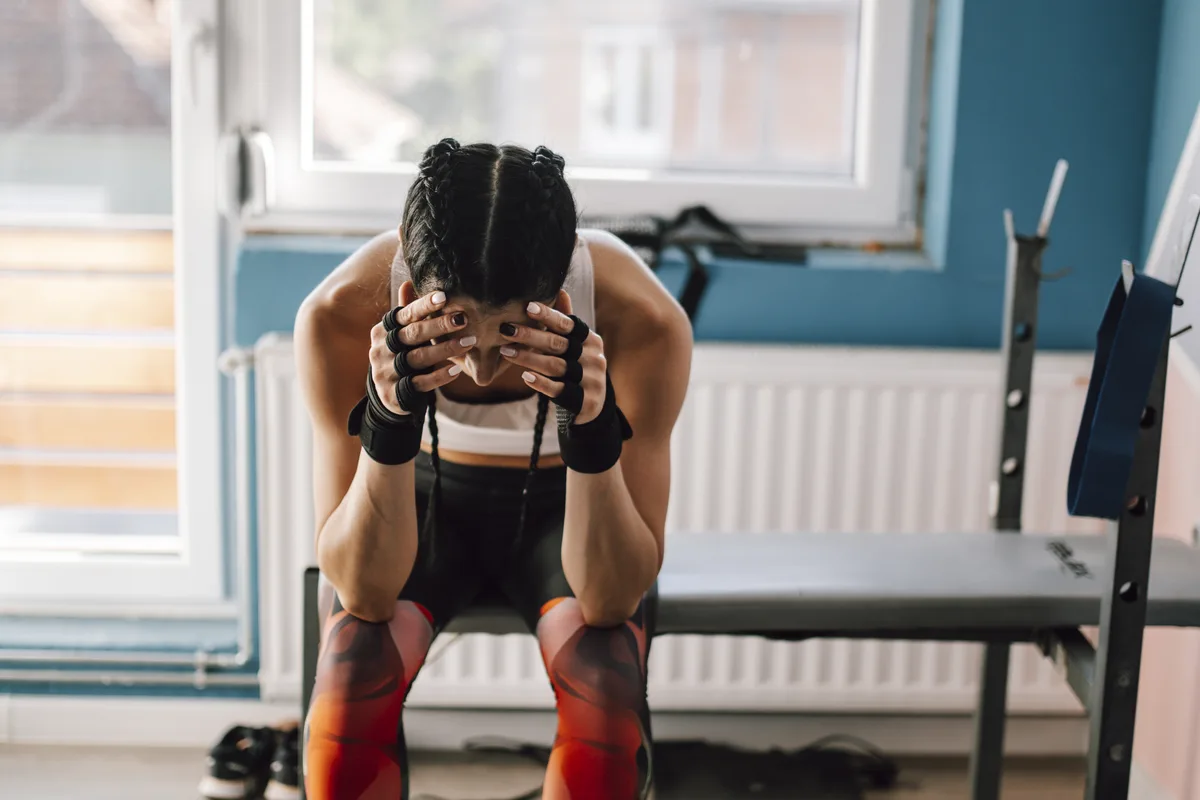
Athletes and highly active people face a specific set of mental health pressures that don't always get the same attention as training plans and nutrition. Performance anxiety, fear of failure or letting a team down, and the pressure of tying self-worth closely to results are common, even among recreational and amateur athletes, not just professionals.
Injury carries a mental weight that's easy to underestimate. Being sidelined can bring a real sense of loss — of identity, routine, and community — on top of the physical setback, and rushing back before you're ready is often driven as much by this psychological pressure as by any medical judgment. A slower, medically sound recovery timeline is not a personal failure, even when it feels that way in the moment.
Rest and recovery days are frequently treated as optional or even a sign of weakness, but they're a legitimate part of training, both physically and mentally. Constant training without adequate recovery is linked to overtraining syndrome, which includes mood changes, irritability, and disrupted sleep alongside physical decline — treating rest as productive, not lazy, is part of a sustainable approach.
Identity that's built entirely around athletic performance can make setbacks — a bad season, an injury, retirement from a sport — feel disproportionately destabilizing. Maintaining interests, relationships, and a sense of self outside of athletic achievement is protective, not a distraction from performance.
If pressure, injury recovery, or a loss of enjoyment in something you used to love is affecting your mood or motivation beyond what feels like normal ups and downs, that's worth discussing with a doctor — sports-related mental health concerns are a legitimate reason to book a consultation, not something to push through silently.
Sources & References
- World Health Organization (WHO)
- Philippine Department of Health (DOH)
Frequently Asked Questions
Is performance anxiety common even for non-professional athletes?
Yes — performance anxiety and pressure tied to self-worth are common among recreational and amateur athletes as well, not only professionals.
Why does injury recovery affect mental health, not just the body?
Being sidelined often brings a real sense of loss of identity, routine, and community on top of the physical setback, which can create pressure to return before you're medically ready.
Are rest days actually important for mental health?
Yes — constant training without adequate recovery is linked to overtraining syndrome, which includes mood changes and irritability alongside physical decline. Rest is a legitimate, productive part of training.
When should an athlete talk to a doctor about mental health?
If pressure, injury recovery, or loss of enjoyment in your sport is affecting your mood or motivation beyond normal ups and downs, that's a reasonable reason to book a consultation.